
When cash runs dry before payday, most people look at two quick-access options: Earned Wage Access (EWA) and payday loans. Both promise speed. Both claim convenience. Both position themselves as short-term solutions. But under the surface, they operate on very different principles.
The global payday loan market is projected to reach $48.68 billion by 2030, a figure that reflects just how many people worldwide are reaching for short-term borrowing to cover immediate gaps. As that market grows in India too, the question of whether there’s a better alternative becomes more urgent.
The debate around EWA vs Payday Loans is not just about getting money faster. It’s about cost, risk, repayment pressure, and what happens to your financial stability after the crisis passes. One option advances money you have already earned. The other lends you money at a price.
Read on to know how each works, so you can make a decision rooted in clarity, not urgency.
What Is Earned Wage Access (EWA)?
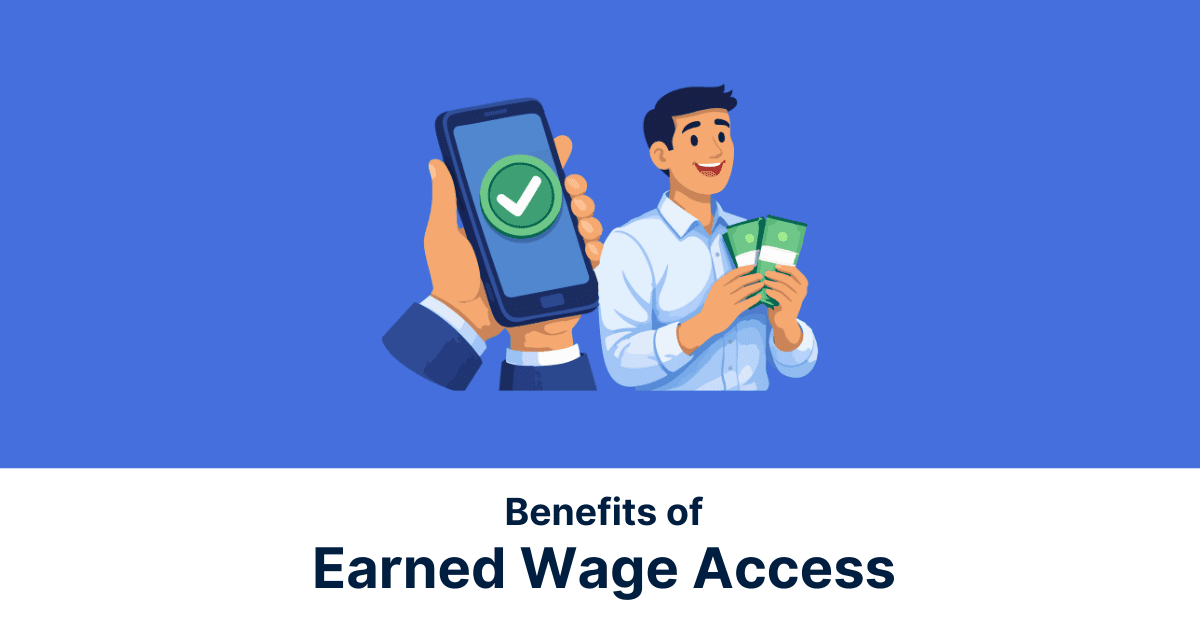
Earned Wage Access (EWA) is a workplace benefit that allows employees to access a portion of the wages they have already earned before their official payday. Instead of waiting for the monthly or biweekly payroll cycle, employees can withdraw part of their accrued salary when they need it.
The key distinction is this: EWA is not a loan. There is no borrowing against future income and no traditional interest charged. The money accessed has already been earned through completed work shifts. The employer typically partners with a payroll or fintech provider that tracks earned wages in real time and enables early access through an app or platform.
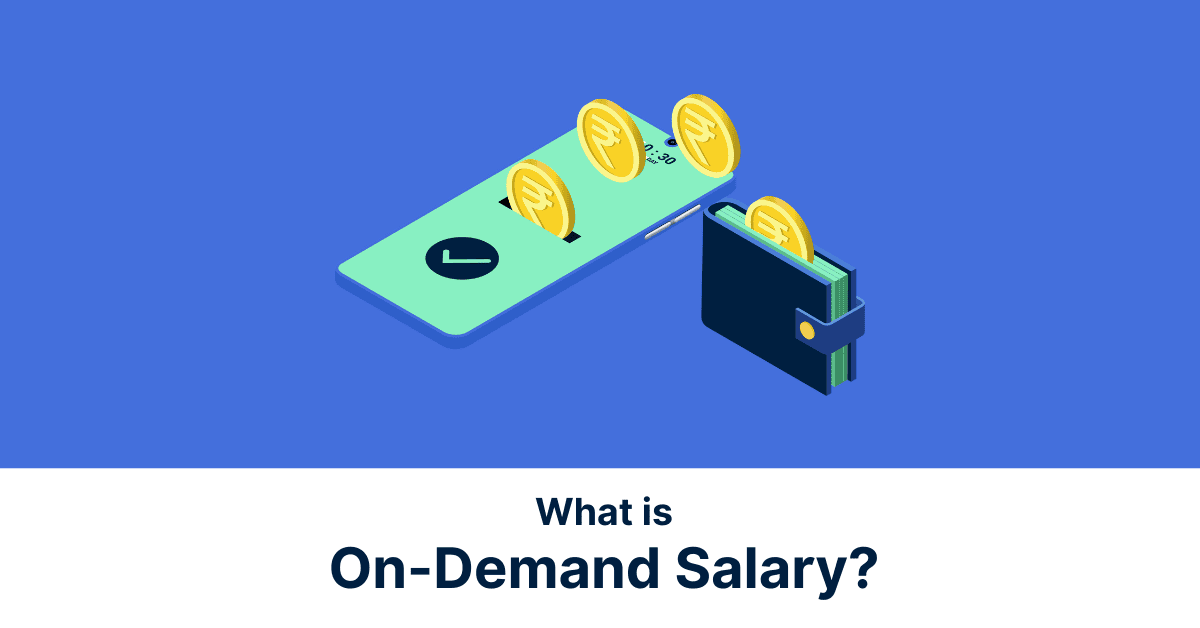
EWA is also commonly referred to as ‘on-demand salary’ or ‘salary advance.’ The idea is simple, employees gain more flexibility over when they receive their income, without disrupting the employer’s payroll process.
When payday arrives, the amount already accessed is deducted from the final salary payout. Because the funds are earned rather than borrowed, EWA is designed to provide short-term liquidity without creating debt obligations or long-term repayment cycles that are common with traditional credit products.
What Are Payday Loans and How Do They Work?
Payday loans are short-term, unsecured loans designed to tide you over until your next salary. Here’s how they typically work.
- Short borrowing window: Loans are usually disbursed for 7 to 30 days, just long enough to bridge the gap to your next paycheque.
- Small ticket size: Most payday loans in India range from ₹1,000 to ₹50,000, making them accessible for covering immediate, everyday expenses.
- Fast disbursal: Once approved, funds are typically transferred to your bank account within minutes to a few hours; often with minimal paperwork.
- Easy eligibility: Lenders usually require proof of employment, a bank account, and a regular salary. Credit scores may or may not be a deciding factor, depending on the lender.
- Repayment due at salary credit: Repayment includes principal plus fees or interest, and is generally expected in a single lump sum around the time your next salary is credited.
- Multiple lending channels: Payday loans in India are offered by NBFCs, fintech apps, and digital lending platforms, many of which operate entirely online.
- Cost varies widely: Fees and interest rates differ significantly across lenders and are not always presented upfront in easy-to-compare terms.
EWA vs Payday Loans at a Glance
When comparing EWA vs Payday Loans, the difference isn’t just about speed, it’s about structure. One gives you early access to wages you’ve already earned. The other extends short-term credit that must be repaid with added fees.
To make the distinction clear, we’ll look at four practical factors: cost, repayment terms, eligibility requirements, and overall financial risk. These elements determine not only how much you pay, but also how much pressure you carry after payday. A quick fix can either restore stability or quietly create a cycle. The details matter.
Source of Money: Earned Wages vs Borrowed Money
In the comparison of EWA vs Payday Loans, the most fundamental difference lies in where the money comes from.
With Earned Wage Access, the funds are part of your salary that you have already earned through completed work. You are not taking on new debt. You are simply receiving a portion of your income earlier than the scheduled payday. When payroll is processed, the accessed amount is deducted from your final payout.
A payday loan, by contrast, is borrowed money. The lender advances funds that are not yet yours, and you agree to repay the full amount plus fees. This creates a formal debt obligation.
Why does this matter? Borrowed money introduces repayment pressure beyond your existing earnings. If expenses remain high after payday, repaying a loan with added charges can strain your budget further. Accessing earned wages affects cash flow timing, but borrowing creates a financial liability.
Source of Money: Earned Wages vs Borrowed Money
In the comparison of EWA vs Payday Loans, the main difference lies in where the money comes from.
With Earned Wage Access, the funds are part of your salary that you have already earned through completed work. You are not taking on new debt. You are simply receiving a portion of your income earlier than the scheduled payday. When payroll is processed, the accessed amount is deducted from your final payout.
A payday loan, by contrast, is borrowed money. The lender advances funds that are not yet yours, and you agree to repay the full amount plus fees. This creates a formal debt obligation.
Why does this matter? Borrowed money introduces repayment pressure beyond your existing earnings. If expenses remain high after payday, repaying a loan with added charges can strain your budget further. Accessing earned wages affects cash flow timing, but borrowing creates a financial liability.
Repayment and What Happens on Payday
In the EWA vs Payday Loans comparison, repayment terms are where the differences become clear.
With Earned Wage Access, settlement is built into the payroll cycle. The amount an employee has accessed is automatically reconciled when payday arrives. If you withdrew ₹5,000 early, that amount is simply deducted from your total salary before it is credited to your account. There is no separate repayment transaction and no additional interest component in most standard employer-sponsored models. The process is structured and predictable because it aligns directly with wages already earned.
Payday loans work differently. The full borrowed amount, along with fees, is typically due on the next payday. If a borrower cannot repay in full, some lenders allow extensions or rollovers. In such cases, additional fees may apply, and the outstanding balance can grow.
This structure can create a repeating short-term borrowing pattern. Each new pay cycle may begin with part of the salary committed to clearing previous dues, which can affect available cash flow for the next set of expenses.
Risk of Debt Traps and Repeat Borrowing
Short-term borrowing can feel harmless in isolation. But when timing and fees start to interact, the long-term picture looks very different.
How the Payday Loan Cycle Starts
Payday loans are built around quick, lump-sum repayment. If you clear the loan in full on salary day, the transaction ends there. Simple enough, until your expenses don’t ease up.
Where It Gets Complicated
When money is still tight after repaying, a portion of that salary is already gone, absorbed by the loan principal plus fees. Regular bills still need to be paid. That gap often leads to another short-term loan. And then another.
The Real Problem: Accumulation
It’s rarely one loan that causes the damage. It’s the pattern, recurring fees layered on top of compressed repayment timelines, where each new pay cycle begins with an existing financial obligation already in place.
How EWA Is Structurally Different
Earned Wage Access doesn’t add debt, it shifts timing. Because you’re accessing income you’ve already earned, there’s no compounding interest and no growing principal. The obligation doesn’t snowball.
But EWA Isn’t Without Discipline Requirements
Frequent EWA use still affects cash flow. If you draw down your earnings before salary day regularly, your credited amount shrinks, and that requires its own budgeting awareness.
Credit Score and Financial History Impact
Most financial decisions leave a footprint. How visible that footprint is and to whom it depends on which option you choose.
1. EWA and Credit Reporting
In most cases, Earned Wage Access does not function as a loan, which means it may not be reported to credit bureaus the way traditional borrowing is. This can make it a lower-stakes option for your credit profile. That said, models vary across providers, some newer platforms may structure EWA differently. It’s always worth checking the terms before you sign up.
2. Payday Loans and Credit Risk
Payday loans can carry more credit-related risk, particularly if repayment doesn’t go as planned. A missed payment or a loan that moves to collections may negatively impact your credit score, and that impact can linger. Even on-time repayments don’t always translate to positive credit history, depending on whether the lender reports to bureaus at all.
3. A Simple Rule of Thumb
Before using either option, check whether it gets reported and how. A short-term fix that quietly damages your credit profile can cost more than the fees on the tin.
Employer Involvement and Employee Protection
The source of the money matters, not just for cost, but for how well the product is designed to protect you.
How Employer-Linked EWA Works
EWA programs offered through employers are typically built with guardrails. Access is tied to your actual earned wages, so you can only draw what you’ve already worked for. Most programs also cap how much you can access per cycle, which, by design, limits how much of your own paycheque you can spend ahead of time.
Built-In Oversight
Because EWA is employer-facilitated, it often comes with a layer of accountability. Employers choose the platform, agree to the terms, and in many cases, the repayment is managed directly through payroll. This keeps the process clean and reduces the risk of hidden charges or aggressive collection practices.
Payday Loans Operate Independently
External lenders have no connection to your payroll or employer. There are no wage-based limits on how much you can borrow, and repayment isn’t integrated into your salary cycle, it depends entirely on you initiating it. The protections, if any, come from regulation, not from the product’s structure.
Why This Difference Matters
Employer-linked EWA is, at its core, a managed adjustment to your pay timing. Payday loans are an external financial product with their own terms, fees, and risk profile. Understanding that distinction helps you evaluate what you’re actually signing up for.
Why This Choice Matters in India
India runs on monthly salaries. Unlike weekly or bi-weekly pay cycles common in other countries, most salaried workers here receive their income once a month, which means a single missed timing can create a genuine 20 to 30-day gap before the next credit arrives.
The Mid-Month Crunch Is Real
For a large portion of India’s workforce, factory workers, retail staff, delivery personnel, and contractual employees, expenses don’t spread evenly across the month. School fees, EMI due dates, medical bills, and utility deadlines often cluster in ways that simply don’t align with salary day.
Frontline Workers Feel It Most
Workers in blue-collar and frontline roles tend to have less financial cushion to absorb these gaps. Savings buffers are thinner, credit card access is limited, and unexpected expenses hit harder proportionally. The need for fast, affordable liquidity is not occasional for many; it’s a recurring reality.
What People Have Been Doing Until Now
When formal options weren’t accessible, people turned to what was available, borrowing from family or colleagues, approaching local moneylenders, or putting expenses on high-interest credit. These alternatives carry their own costs, i.e., strained relationships, unfavourable terms, or debt that’s difficult to track.
Why the EWA vs. Payday Loan Conversation Is Timely
As digital lending expands rapidly across India, more workers now have options they didn’t before. That access is genuinely useful, but only if the choice being made is an informed one. The stakes are higher when the workforce depending on these tools is large, underserved, and often navigating financial stress with little room for error.
Which Is Safer: EWA or Payday Loans?
When the question is safety, the answer is more nuanced than a simple verdict, but it’s not without direction.
The General Answer
In most cases, EWA is the lower-risk option. Because it’s built around wages already earned, there’s no new debt created, no interest accumulating, and no lump-sum repayment pressure bearing down on your next salary. For someone navigating a short-term cash gap, that structure is inherently more contained.
Where Payday Loans Carry More Risk
Payday loans introduce an external obligation with a cost attached, fees, interest, or both. Combined with a tight repayment window, the margin for error is narrow. If your financial situation doesn’t fully stabilise before repayment is due, the risk of a shortfall and a second loan rises quickly.
The “It Depends” Caveat
Safety isn’t just about which product you choose. It’s about how that product is designed and how you use it. An EWA program with high fees, no access limits, or unclear terms can create its own strain. A payday loan repaid cleanly and once may cause no lasting damage. The same tool, used differently, can produce very different outcomes.
What to Look For
Before using either, ask: Is there a cap on how much I can access? Are the fees clearly stated upfront? Is repayment automatic and payroll-linked, or is it on me to manage? The answers tell you more about actual safety than the product label does.
How to Use EWA Responsibly
Access to your earned wages before payday is a genuine financial tool. However, just like any tool, how you use it shapes the outcome. EWA works best when it’s occasional, intentional, and tied to a real need.
1. Use It for Essentials, Not Extras
EWA is best suited for non-negotiable expenses, a medical bill, a utility payment that can’t wait, or an EMI due before salary day. Using it for discretionary spending, a sale, or an impulse purchase can quietly erode the habit of living within your pay cycle.
2. Keep Withdrawals Small
Drawing the maximum available amount might feel like a safety cushion, but it narrows your payday credit significantly. Withdraw only what the immediate situation demands. The less you pull forward, the more intact your next salary arrives.
3. Watch the Frequency
Using EWA once in a while is a buffer. Using it every month is a signal that your expenses may be outpacing your income, or that your spending pattern needs a closer look. Track how often you’re reaching for it. If the answer is “most months,” that’s worth addressing at the root.
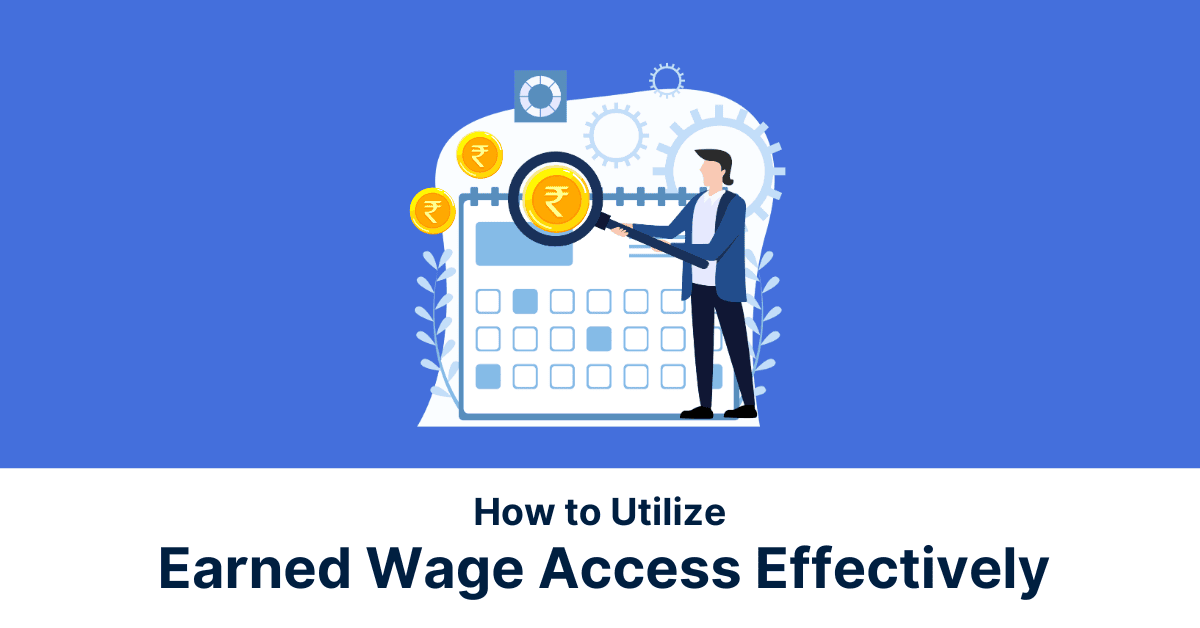
4. Plan Around Your Bill Calendar
Map your fixed obligations, such as EMIs, rent, and school fees, against your salary date. If you know a bill falls ten days before salary credit, plan for it in advance rather than relying on EWA as the default fix each time.
5. Think of It as a Bridge, Not a Supplement
EWA works when it’s bridging a known, temporary gap, not for adjusting a structurally short budget. The difference matters. One is a timing fix, the other is a sign that more planning or income is needed.
For a deeper look at making the most of this tool, read our guide on Tips to Utilise EWA Effectively.
To go deeper on how EWA works and what it can do for employees and organisations alike, explore these related reads:
Where Jify Fits in Earned Wage Access in India
Jify is an Earned Wage Access provider operating in India, partnering with employers to give salaried workers access to their earned wages before the monthly pay cycle closes without creating debt or adding financial risk.
What Jify’s Model Is Built On
Access through Jify is payroll-aligned, meaning what you can withdraw is tied directly to what you’ve already earned. There are built-in limits, transparent terms, and no external borrowing involved. It’s structured to function as a genuine financial safety net, not a lending product in disguise.
Designed With the Indian Workforce in Mind
Jify’s programs are employer-facilitated, which means the guardrails are built into the product by design, not left to the individual to manage alone. For frontline and salaried workers navigating monthly cash flow gaps, that structure makes a meaningful difference.
Conclusion
The core difference between EWA and payday loans isn’t just about cost, it’s about structure. EWA gives you access to money you’ve already earned, with no new debt and no repayment pressure. Payday loans are borrowed money, and borrowed money always comes with terms, fees, and a deadline.
Neither option is entirely without trade-offs. But when you’re choosing between the two, the question worth asking isn’t just “how fast can I get the money?” it’s “what does repayment look like, what will it cost me, and is this product designed to protect me or expose me?”
Transparency and guardrails matter. Whatever you choose, make sure you understand the terms before the need becomes urgent, not after.
*Disclaimer:
The information contained herein is not intended to be a source of advice concerning the material presented, and the information contained in this article does not constitute any form of advice. The ideas presented in the article should not be used without first assessing your situation or without consulting a professional.
EWA vs. Payday Loans: Frequently Asked Questions
Is EWA a loan?
No. Earned Wage Access is not a loan. When you use EWA, you’re accessing a portion of the wages you’ve already earned, not borrowing money from a lender. There’s no new debt created, no interest charged, and no external repayment obligation. The amount is simply adjusted against your upcoming salary credit.
Is EWA safer than payday loans?
Generally, yes, particularly when the EWA program is employer-linked, payroll-aligned, and comes with clear access limits. Because EWA doesn’t create debt or carry compounding fees, the financial risk is structurally lower. That said, safety also depends on how any product is used. Frequent, undisciplined use of EWA can still disrupt your monthly cash flow.
Can payday loans trap you in debt?
They can. When a payday loan is repaid in full and on time, the transaction ends cleanly. The risk emerges when repayment leaves the borrower short for regular expenses, prompting another loan in the following cycle. Over time, recurring fees layered onto consecutive loans can create a pattern that’s difficult to break. It’s not inevitable, but it’s a well-documented risk.
Does EWA affect my credit score?
In most cases, EWA does not impact your credit score because it isn’t structured as a loan and is typically not reported to credit bureaus. However, this can vary depending on the provider’s model. It’s always advisable to check the terms of the specific platform you’re using to understand whether and how it reports financial activity.
What happens if I use EWA too often?
Using EWA frequently doesn’t carry the same debt risk as repeat payday borrowing, but it can signal an underlying cash flow imbalance. If you’re drawing on your earned wages most months, your salary on credit day will consistently arrive reduced, which can create its own pressure. Treat high-frequency usage as a prompt to revisit your monthly budget rather than a routine financial strategy.
Is EWA legal in India?
EWA is operational in India and offered by several providers through employer partnerships. The regulatory framework around EWA is still evolving, as it sits in a relatively new space between payroll and lending. Employer-facilitated EWA programs that access earned wages rather than extend credit generally operate outside traditional lending regulations. As always, using platforms that are transparent about their terms and backed by credible employers is the safest approach.
What’s the difference between EWA and a salary advance?
They’re similar in purpose but different in structure. A salary advance is typically an informal arrangement with your employer. You request a portion of your upcoming salary early, and it’s deducted from the next disbursement. EWA is a formalised, tech-enabled version of this, usually offered through a third-party platform integrated with your employer’s payroll. EWA tends to offer faster access, clearer limits, and a more consistent process than an ad hoc advance request.epayment over multiple pay cycles, but the process remains predictable.
*Disclaimer:
The information contained herein is not intended to be a source of advice concerning the material presented, and the information contained in this article does not constitute investment advice. The ideas presented in the article should not be used without first assessing your financial situation or without consulting a financial professional.